

Archive for November 2025
Can Two Dentists Share a Practice Without Partnering?

Two dentists may share office space, staff, and equipment without forming a legal partnership by structuring separate professional entities, maintaining independent billing and patient records, and documenting cost-sharing arrangements through subleases or management services agreements. Understanding corporate practice of dentistry rules, fee-splitting prohibitions, HIPAA compliance requirements, and liability allocation protects clinical autonomy while reducing overhead.…
Read MoreLegal Steps to Buying Real Estate for a Dental Practice

Purchasing real estate for your dental practice requires coordinating due diligence, financing approvals, entity structuring, and regulatory compliance within compressed timelines that protect your deposit and preserve practice operations. Understanding letter of intent contingencies, zoning requirements, environmental reviews, and lender documentation helps dentists close transactions that support long-term growth without unforeseen liabilities or cost overruns.…
Read MoreDental MSO vs. DSO: What’s the Difference?

Management Services Organizations and Dental Support Organizations serve different legal and operational roles in practice growth, affiliation, and compliance with corporate practice of dentistry rules. Understanding ownership structures, fee arrangements, clinical control boundaries, and exit options helps dentists choose the model that fits their autonomy goals, capital needs, and long-term strategy. Evaluating MSO or DSO…
Read MoreHow to Form an Entity to Own Dental Office Real Estate
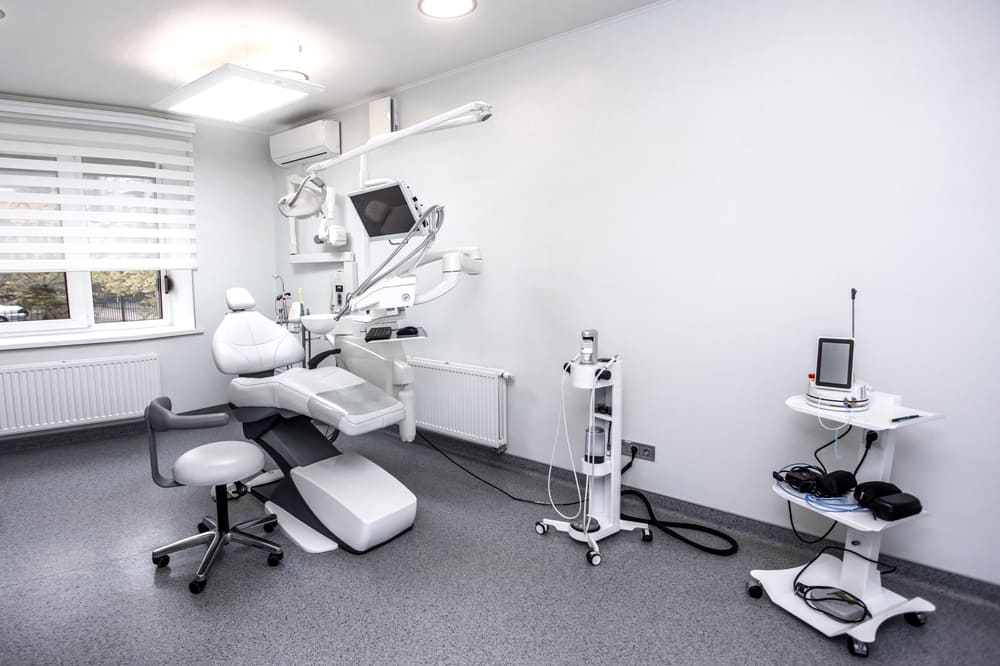
Owning real estate builds equity, locks in occupancy costs, and creates a second income stream when you lease excess space or eventually sell. However, purchasing real estate through your professional practice corporation exposes that equity to malpractice claims, creditor judgments, and compliance risks associated with clinical operations. Separating ownership into a correctly structured, dedicated real…
Read MoreWhat Is a Shared Dental Space Agreement?

Operating costs can be overwhelming for solo practitioners. Rent, equipment leases, staff salaries, and compliance overhead sometimes consume 60 percent or more of collections before you see a dime. Shared dental space agreements let two or more dentists split these fixed costs while maintaining independent practices. In these situations, having a solid contract drafted by…
Read MoreLegal Pitfalls to Avoid When Buying a Dental Practice

Buying a dental practice transforms your career trajectory and financial future. The deal that looks perfect on paper can unravel post-close when undisclosed liabilities surface, payer reimbursements stall, or your landlord refuses assignment. A dental business lawyer can identify these risks before they become expensive problems. The difference between a clean acquisition and a costly…
Read MoreDo I Need a Lawyer to Review a Dental Practice Contract?

You’ve negotiated a purchase price, shaken hands with the seller, and the deal feels done. Then the 40-page purchase agreement arrives, packed with representations, indemnities, earnout formulas, and restrictive covenants you’ve never seen before: the kind of issues a dental business lawyer reviews every day. Signing without legal review might save a few thousand dollars…
Read MoreResolving Ownership Disputes in Dental Partnerships

Partnership disputes can disrupt patient care, staff morale, and cash flow, while draining the equity you spent years building. Whether you face a deadlock over an expansion strategy, a forced buyout demand, or allegations of financial misconduct, the proper legal framework and rapid triage can help preserve practice continuity and your ownership stake. Dealing with…
Read More